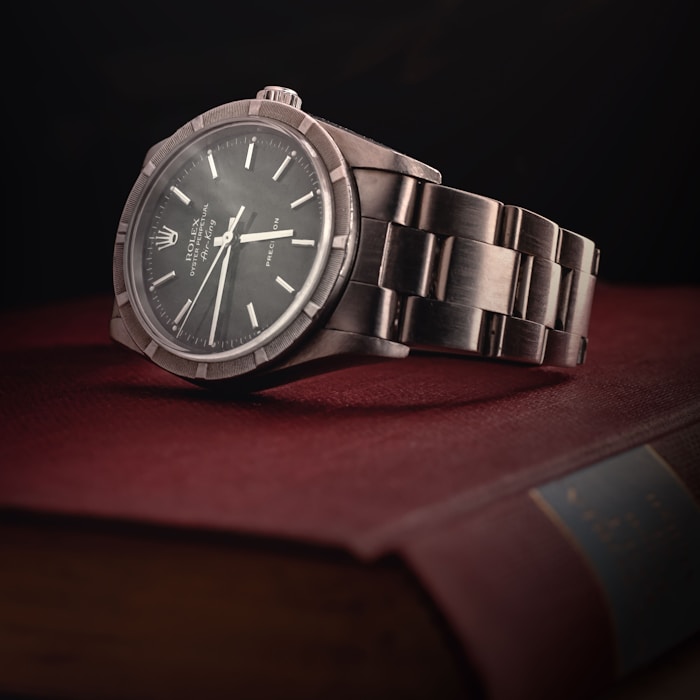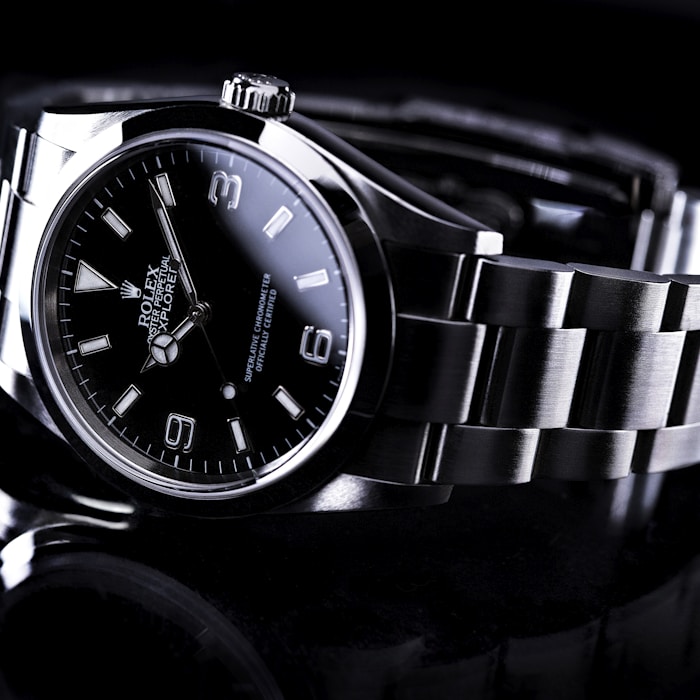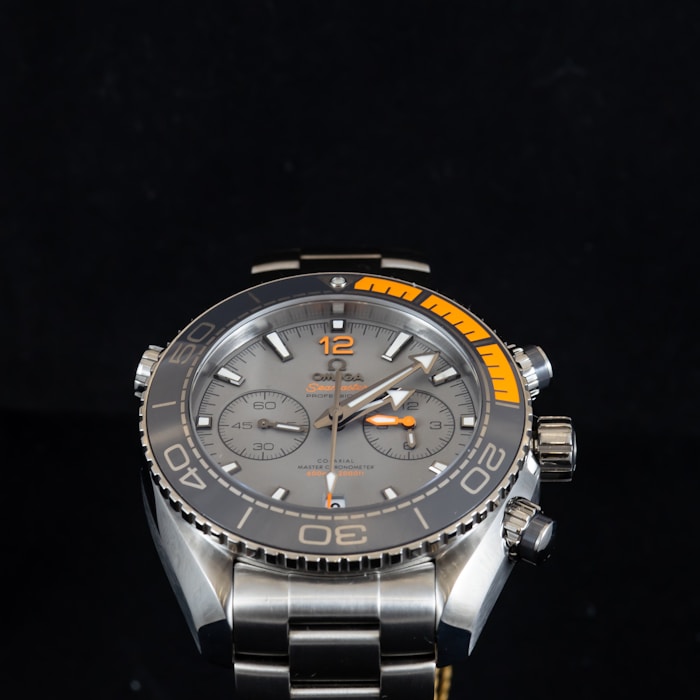
When you spend $10,000 on a Swiss watch, what are you actually paying for? The answer is more complex — and more fascinating — than most buyers realise. Here is a primer on the key elements of mechanical watchmaking that determine quality and justify price.
The Movement
The movement — or calibre — is the engine of the watch. In a mechanical watch, energy is stored in a mainspring wound either manually or by the motion of an oscillating weight (in an automatic). This energy is released through a gear train, regulated by an escapement, and measured by a balance wheel oscillating typically between 21,600 and 36,000 times per hour.
In-House vs. Ebauche
An "in-house" movement is designed, manufactured, and assembled by the watch brand itself. Brands like Rolex, Patek Philippe, and A. Lange and Sohne build their own movements from scratch — a significant engineering and financial investment. Other brands use ebauches (base movements) from specialist manufacturers like ETA or Sellita, then modify or decorate them. Neither approach is inherently inferior, but in-house movements generally command a premium and often reflect greater innovation.
The Hallmarks of Quality
Look for: bevelled and polished edges on bridges and plates (anglage), alternating brushed and polished surfaces (a sign of hand-finishing), Geneva Stripes or perlage decoration on movement components, regulated adjustment for accuracy, and — at the highest level — a Geneva Seal or Poincon de Geneve certification.
The Dial
A dial is not simply a printed piece of metal. At the highest level, watch dials are lacquered, fired in kilns, set with Grand Feu enamel, or decorated by artisans who train for a decade before touching a finished piece. The guilloche dials of Patek Philippe's pocket watch department are made on nineteenth-century rose engines that cannot be replaced or digitally replicated.